Planning Guides
Group travelers have unique needs, depending on the trip purpose. Bachelor party planners debate over which type of alcohol to consume and whether or not a stripper is appropriate. Family reunion organizers decide how big of a reunion to have and where to have it. Brides and grooms deliberate on pros and cons of a destination wedding or a home-grown wedding.

Peruse these planning guides to find tips, advice, and new approaches to planning anything from a road trip, to family vacations, to ski trips, to weddings, to girls getaways, and more.
Family Reunion Planning Guide: Gathering the generations together takes time and patience, but is worth the lasting memories.
Group Getaways with Friends: Travel with college friends, poker pals, other couples, golf buddies, or just the girls.
Wedding Planning Guide: Whether the ceremony is a quick Vegas-themed affair, in a dreamy destination, or where you live and work, the devil is in the details. Here are tips to simplify the wedding planning process.
Ski Guide for Groups: Snowboarders and skiers alike can use this essential planning tool of ski resorts, checklists, and aprés ski activities before hitting the slopes.
Group Reservation Guide: Tips for negotiating group hotel rates, group flight reservations, and more.
Clubs, Teams, Organizations Guide: Become a group trip planning expert with tips about group reservations, how to organize a trip with ease, and other helpful advice.
Permalink 🔗
Getaways, weddings, birthdays, vacations. Whatever trip is on your horizon, chances are the goal is to have fun. Here are destination guides with plenty of activities and tips for all kinds of groups:
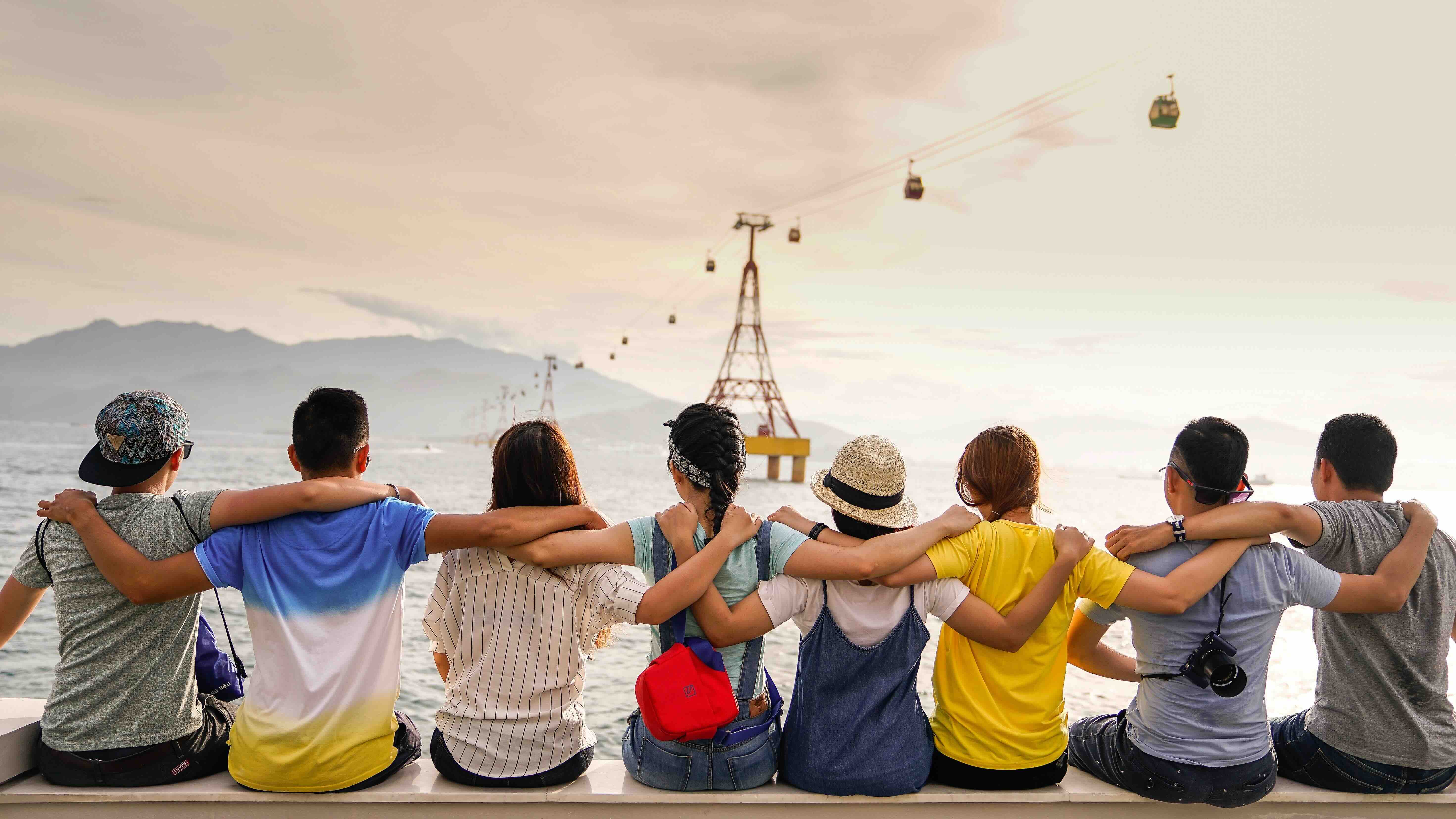
Las Vegas
With Las Vegas dubbed the Entertainment Capital of the World, it's no wonder that our research shows more groups planning trips to Las Vegas than any other destination.
Lake Tahoe and Reno
In the crook of California's elbow lies a playland of great natural beauty, world-class ski slopes, Vegas-style entertainment, and plenty of gold-rush history.
Maui
Playground for adventurers, golfers, wildlife watchers and snorkelers, the Hawaiian island of Maui attracts families, friends and romantics to her beaches, lush mountains, award-winning golf courses and moon-like national park.
Mexican Riviera
Beloved by beach buffs, honeymooners, surfers, and cruisers, the Mexican Riviera — that scenic stretch of coastal communities between Mazatlán and Acapulco — entices more and more travelers to its sun-drenched shores each year.
New York City
Urbanites are drawn to this city's lights, cameras, and action like lipstick to Liza Minnelli. From Broadway shows to boutiques to world-class art and Central Park, there are plenty of ways to bite into the Big Apple.
Orlando
This magical Florida mecca entices families and visitors to hop around theme parks, splash in water parks, golf, and escape realism for endless entertainment.
San Diego
Families fit into San Diego's cheerful profile like feet into flip-flops. This coastal city's perennial sunshine, sandy beaches, and kid-friendly attractions make it easy for adults to trade workday stress for an endless-summer attitude.
San Francisco
Laid back and cosmopolitan, ethnically diverse, and a hotbed of social progressive movements, the City by the Bay has plenty to entertain families and groups of friends who are nature lovers, wine tasters, beachcombers, golfers, or seafood foodies.
Washington, D.C.
So many museums, memorials, houses of government, national landmarks, and historic places of interest fill the 67-square-mile area that comprises the nation's capital, a visitor soaking it all in should receive an honorary college degree.
Permalink 🔗
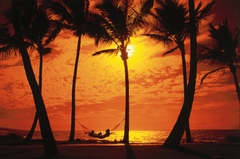
A playground for outdoor trekkers, golfers and beach loungers, the Hawaiian island of Maui attracts families, friends and romantics to her beaches, lush mountains, renowned golf courses and rugged volcanic crater. Discover with your group why Conde Nast Traveler dubbed Maui the best Pacific island for the 16th straight year and ranked Maui number two for all destinations in the world in 2006.
Activities Galore
Watch the sunrise atop 10,000-foot Haleakala Crater and bike down to the Pacific Ocean from its rim. Try fishing, whale watching, snorkeling, surfing or parasailing off the coast of Lahaina or go hiking in the West Maui Mountains. With Maui being home to authentic ranches and rodeos, you can also opt for a horseback riding tour from a ranch along trails that lead to the beach. Kids will enjoy the Maui Ocean Center, largest tropical reef aquarium in the world, where turtles, sharks and other marine creatures swim, play and eat. Golfers have their pick of world-class golf courses on Maui. And you won't get a true sense of the Aloha State without feasting at a luau or taking in a Polynesian show.
Land Adventures
Trek around Haleakala National Park, one of only a few of national parks in Hawaii. Near Haleakala tumble the Wailua Falls where hikers can stop and picnic near the oasis. Drive the road to Hana, a stunning road trip with winding paths carving around steep cliffs. Bring your camera and sense of adventure. The road to Hana cuts through lush mountains with unparalleled ocean vistas, but the curvy road is infamous for turning some passengers (and drivers) into white-knucklers. Maui is also home to authentic rodeos, ranches and cowboys, so saddle up at a ranch for a horseback riding tour through hills or along a beach. Maui Ocean Center, largest reef aquarium in the world, is a perfect way to entertain the water-logged kids. Visit Lahaina's art galleries, shops, boutiques and craft displays after eating at Lahaina's many restaurants.
Golfing
Maui is consistently ranked one of the best golf destinations in the world, plus host to professional tournaments. Kapalua and Wailea golf courses draw more skilled golfers, but all levels can enjoy the links at over 15 courses around the Valley Island. Nearby neighboring island of Lanai (easily accessible by boat) also offers two championship golf courses in private, tranquil luxury. Want more relaxing golf? Try golfing on jungle-dense Molokai, with two golf courses, one by the sea and another in the deep woods. No tee times or golf pros. Just ample time to perfect your swing.
Water Sports
Snorkeling. Surfing. Parasailing. Fishing. Whale watching. Scuba diving. Maui offers numerous ways to enjoy the Pacific. Take a surfing lesson or just hit the waves from Lahaina. Try windsurfing near Kahului. Numerous tours offer whale-watching and snorkeling adventures, often to nearby crescent-shaped Molokini island where you can snorkel around the reefs, then head to another area to snorkel with sea turtles and peer at colorful coral. Many tours also boat past schools of bottlenose dolphins and spinner dolphins to find them leaping and twisting as if playfully putting on a show.
Beaches
Maui boasts an array of beaches for every taste. Kaanapali Beach is a long white stretch of sand for beachcombers, snorkelers and swimmers. Other popular beaches include Big Beach in Makena, Black Rock near Kaanapali for renowned coral snorkeling, Black Sand Beach, Changs Beach, Hana Bay, Hamoa Beach, HA Baldwin Beach Park and many more rocky and sandy shores.
Best of the Web for Maui, Hawaii
Permalink 🔗
San Francisco's multi-cultural artistic flair and waterfront location, combined with world-class vineyards just a quick drive away make for ideal weekend trips. This laid back City by the Bay was home to tie-dye, a hotbed of progressive social change during the 60s revolution, and is the cosmopolitan, creative center of the West Coast today.
A family-friendly town. A hip, metropolis for trendy urbanites. A strong gay and lesbian community. San Francisco truly offers something for everyone.
Top sights, activities, and attractions:
Music scene
San Francisco has a history of producing and drawing bands to entertain all sorts of crowds. From the Dead Heads of the 60s generation to the modern mosh of musical sounds, there are clubs, bands, and famous groups galore.
Art scene
Museums, galleries, theater, dance companies, performances, cabarets, and events. SFMOMA is a world-class modern art museum with paintings (Henri Matisse), photography (Ansel Adams), and more. Plus, don't miss the art galleries in Sausalito and around San Fran.
Shopping scene
From mall-famous iconic shops like the Gap, Anne Taylor, and Tommy Hilfiger to quaint boutiques with hand-crafted scarves, shirts, pottery, jewelry, and more, San Francisco offers a trendy shopping experience for all ages and tastes.
Food fare
In & Out Burgers are nearly as famous as their t-shirts. You simply must find one and indulge. Vegetarians abound in this health-conscious city so you can not only splurge on a milkshake instead of a burger at In & Out Burgers, but you'll have a wide selection of restaurants with fabulous international cuisine. From fresh seafood restaurants to Chinatown's dim sum to Mexican food with guacamole to make you cry like a baby, San Francisco dishes up delectable bites.
And the drinks are a gastronomic wonder, too. Not only does San Francisco neighbor Napa Valley, a world-renowned wine-growing region, but the city has enough clubs, bars, and hip establishments to make metro-philes swoon (without spilling a drop, of course).
Beaches
Stinson Beach for road trippers, the beach by Golden Gate Park for families who want quick access to the city but also a long stretch of sand for sandcastles, the Presidio's San Francisco Bay beach for photo ops of Golden Gate Bridge, Alcatraz, and beyond. Or how about Baker Beach for nudists?
Districts and Day Trips
- The Mission District – Think eclectic eateries, happening nightlife, and a Hispanic history with a heart. The Mission could possibly be San Francisco's trendiest hang-out.
- Haight Ashbury – Home of the Grateful Dead, tie-dyed shops, and an area made famous by the 60s, this area still has classic townhouses, funky shops, and is near Golden Gate Park. It's a sidewalk collection like a virtual shrine unto the hippie movement. Eat one of it's famous burritos and wander through the past and into the new shops that typify the revitalization of this neighborhood.
- Muir Woods National Monument – Part of the Golden Gate National Recreation Area (one of the largest urban national parks in the world), this woodsy wonder is a hiking area just north of San Francisco and named for the famous naturalist John Muir. Pay a visit to this quiet reprieve and look up at old growth redwood trees.
- Napa Valley – Nestled in Napa Valley with honey-colored hills akin to Tuscany, California's wine country is famous for its grape nectar. Take a road trip from the city to Napa for wine-tasting, hot air ballooning, bicycling, spa-going, and more.
- Sausalito and Tiburon – Two of the Bay Area's most quaint towns are just 20 miles north of the city across the bay. Best way to get there is via ferry on Pier 41 near Fisherman’s Wharf. Art galleries, novelty shops, boutique clothing stores, restaurants are all easily walkable and the views of San Francisco from these waterfront towns are spectacular. Bring your camera and stay for lunch. Sausalito resembles a Mediterranean seaside village and Tiburon is akin to a New England coastal town. Great for families.
- North Beach neighborhood – Walk through Little Italy and taste a cappuccino and pastry from the old country. Plenty of shops and attractions to keep you occupied in this former Beatnik hub.
- Berkeley – Home to University of California Berkeley, this town across the bay from San Fran is full of shops and is an enjoyable way to spend an afternoon.
- Pebble Beach Golf Course and 17-mile Drive at Pebble Beach – Pebble Beach is world-famous for its golf course, luxury spa, and winding drive with several breathtaking views of the Pacific Ocean. If you are a golfer, plan ahead and book a round of golf at this famous course well in advance.
- Monterey Bay Aquarium – One of the world's largest aquariums, this marine sanctuary is perfect for the kids or the kid in you. Plan to spend the night in this town that was the setting for John Steinbeck’s books Cannery Row and Sweet Thursday.
- Carmel – With quaint tree-lined streets of boutique shops, cafes, and art galleries, this town is near Pebble Beach and Monterey and great for road trips from San Fran.
- Sonoma, St. Helena, Calistoga - Art galleries, wineries, spas. In that order. Sonoma has art galleries, quaint shops, good eats, and a community theater not to mention the plethora of wineries in Sonoma County. St. Helena is located between Calistoga and Napa and a quaint town with award-winnning restaurants and wineries nearby. Calistoga is a spa haven for those who crave a good massage.
Best of the Web for San Francisco
Permalink 🔗
New York is alive with non-stop action year-round. In this pulsating city of cabbies, world-class theater, chic trends, and super stars, it can be hard to find peace and quiet. But that's not why Manhattan is famous. Travelers scurry from around the globe to feast their senses on this one-of-a-kind, razzle-dazzle city with heart and soul.
Trend-setting styles. Culinary delights. World-renowned shopping (both bargains and luxury goods). Theater and shows for any audience. Classic and contemporary art. Musical genius. Financial power. The rich and famous. Architectural juxtapositions. It's no wonder visitors return again and again to soak in a city with so much life.
Holiday HooplaFor the holidays, the Big Apple puts on the ritz with over-the-top decorations (think buildings wrapped in glittery red bows), activities that people wait the whole year for (ice-skating), and a certain buzz in the middle of snowflake season that you can't find anywhere else.
- Macy's Thanksgiving Day Parade's giant hot air floats
- Holiday events at The Metropolitan Museum
- Christmastide at the Cloisters - traditional medieval decorations at the Met
- Shopping for holiday gifts at any of Manhattan's chic shops, department stores, or neighborhood boutiques
- Window shopping along Fifth Avenue to view some of the world's most elaborate window displays
- Rockefeller Center's outdoor ice-skating rink and over 60-foot tall Christmas tree
- Empire State Building beaming green and red for the holiday season
- Rockettes in Radio City Christmas Spectacular at Radio City Music Hall
- Horse and carriage ride around Central Park
- New York Road Runner costume contest and 4-mile run in Central Park on New Year's Eve
- New Year's Eve Celebration and Ball Drop at Times Square
Broadway
The Great White Way boasts musicals for an assortment of audiences. Which ones appeal to your group? Here are suggestions to get you started:
- Rent or Avenue Q for trips with friends
- Phantom of the Opera (which recently became the longest running show on Broadway in history) for an extended family trip or family reunion or trip with grandparents
- The Lion King for family trips with kiddies
- Wicked or Chicago for girls getaways
- Monty Python's Spamalot for guys getaways
- Mamma Mia or The Wedding Singer for bachelorette or bachelor parties - apropros for either
Activities & Attractions
Famous attractions have appeared in movies for decades and draw visitors daily for different reasons. Here's why first-time metro-loving groups visit the Big Apple and a few reasons why urban hipsters keep coming back for more.
Arts & Current Culture
New York City offers some of the world's finest art collections at museums and galleries and is a hotbed of artistic and architectural innovation. It's also home to contemporary cultural icons like major league baseball stadiums and TV tours.
- The Metropolitan Museum of Art**:** discover ancient relics and brush strokes of genius
- Museum of Modern Art**:** pay a visit to Van Gogh's Starry Night
- Soho (in lower Manhattan) is an artistic haven itself with galleries and funky architecture to give its cobblestone streets even more character.
- Sex and the City tour
- Sopranos TV sites tour
- Sports fans can go to Yankee Stadium or Shea Stadium, home of the Mets.
- Nightlife: New York spoils its guests with a happening nightlife comprised of hip clubs, famous chefs satisfying restaurant patrons with succulent meals, dancing 'til the sun comes up, eclectic off-Broadway shows, live performances ranging from funk bands to soothing piano lounge acts, and so much more. Find your groove at the various bars, restaurants, and clubs around town.
Beyond Manhattan
While Manhattan is New York City's most famous and visited borough, there are four others that draw visitors for distinct reasons. Quick highlights:
Brooklyn
Walk across the Brooklyn Bridge, a famous suspension bridge connecting Brooklyn to Manhattan, and walk along New York City's first historic (and still swanky) district, Brooklyn Heights. Then stroll through the Brooklyn Botanical Garden with more cherry trees than Washington, D.C., and visit the Brooklyn Museum of Art that showcases one of the world's largest Egyptian collections. And of course, the kids will love Coney Island and Brighton Beach.
The Bronx
The Bronx has a surprising history (previously home to John F. Kennedy, Anne Bancroft, Tony Curtis, Edgar Allen Poe) and amount of attractions for visitors. The Bronx Zoo is the largest urban zoo in the U.S. Yankee Stadium, home to New York's Yankees, is an American icon, so plan ahead and book baseball tickets and stadium tours early. The Bronx also has a greater percentage of green space than any other borough and any other urban area in the country (24% of its 42 acres are parks). Van Cortlandt Golf Course is the first American public course and is part of Van Cortlandt Parks' two square miles of riding trails and other parkland areas.
Queens
With the bird lovers 9,000-acre Jamaica Bay Wildlife Refuge, New York Mets' Shea Stadium, and the U.S. Open Tennis Championship USTA National Tennis Center, Queens is a cultural center it is own right. It's also home to two major east coast airports (JFK and LaGuardia), and boasts the Museum of Moving Images with the largest collection of moving image artifacts in the world. Plus, two film studios reside in Queens, so look sharp in case you're "discovered."
Staten Island
Explore the 2.5 mile boardwalk at South Beach, take the free (yes, free) Staten Island Ferry ride from lower Manhattan past the Statue of Liberty and Ellis Island through New York Harbor to arrive at the northern shore of Staten Island, visit the largest collection of Tibetan art outside of Tibet at the Jacques Marchais Museum of Tibetan Art. And there are plenty of nature reserves, historical and cultural museums and sites, as well as national recreation areas on this island.
Best of the Web for New York City
Permalink 🔗
For families, reunions, weddings, group getaways, and more, Orlando rolls out its magical red carpet for every guest. Castles, fireworks, movie sets, water parks, shows, roller coasters, world-class theme parks and rides, golf, and romantic activities all await Orlando's visitors. As one of the most popular worldwide travel destinations, this sunny city delivers fun on a silver platter, but not necessarily out of budget. There are several affordable ways to enjoy the attractions and activities that make Orlando a year-round playground.
Top Attractions
Theme parks enchant every kid and the kid in everyone.
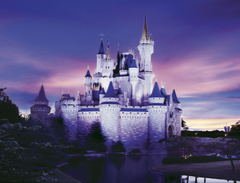
Walt Disney World Resort
Step foot on this quandrant of theme parks and walk into fairytales and animal kingdoms, parades of Disney characters, and entertainment variety for every member of the group. Downtown Disney is where the nightlife happens with Cirque du Soleil, restaurants, dance clubs, and shopping. Weddings are organized at Disney hotels and parks through Disney's Fairytale Weddings and Honeymoons. The four theme parks are world-renowned for blurring lines between dreams and reality, tales and non-fiction, and making the movies, characters, and world of Disney come to life with whimsy, rides, and a bit of pixie dust.
- At Epcot, Disney proves it's a small world after all with food from numerous countries along walkway of the World Showcase Lagoon. As dusk settles, get ready for the fireworks display while enjoying desserts from Bavaria, Morocco, France, Japan, China, or any other country. Epcot is also home to rides like Mission: SPACE and Nemo and Friends.
- Disney's Animal Kingdom Park is a world apart from the other theme parks with a safari ride that goes outside to desert areas for guests to view zebras, giraffes, and other African creatures. The flavor of this park is nature, with a Lion King parade, and more.
- Disney-MGM Studios is a walk down Hollywood Boulevard, with an Indiana Jones show, Disney studio tour, and movie glitz all around. Great for adults as well as kids, this park would be ideal for girls getaways or wedding parties.
- Magic Kingdom is the classic Disney theme park, complete with Cinderella's castle (ideal for group photo ops). This park's parade tops all theme parks and is where toddlers and young children get wide-eyed with glee when meeting Pooh, Piglet and all the A.A. Milne's characters, along with Snow White, Goofey, the Seven Dwarves, and the rest of the Disney characters. Relive your childhood and watch kids' faces light up at this quintessential Disney park.
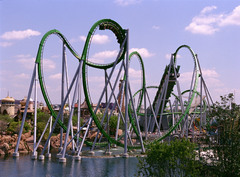
Universal Orlando
Stroll around Universal Studios and you're likely to see Blues Brothers Jake and Elwood cruising around the streets. There are plenty of rides, shows, and attractions to entertain for a day or more, including a boat ride with a Jaws encounter, Revenge of the Mummy - The Ride, and a new Shrek 4-D ride. Thrills galore. The Incredible Hulk roller coaster is also sure to bring goose bumps and keep your heart pumping, Seuss Landing brings the Dr. Seuss books to life with rides and shops, and Universal CityWalk, a 30-acre entertainment complex with live music, movies, nightlife, entertains romantic couples, groups of friends on a getaway vacation, and families.
- Islands of Adventure take you on thrills and spills with the Hulk roller coaster, a Cat in the Hat ride with no straight lines in design (just like Dr. Seuss's books), a Jurassic Park river ride where you can splash about under the Florida sun, and an audience-participant Spider-Man 3-D ride.
- Universal Studios Florida brings the movie sets to life in an entertaining, sometimes scary way, with a Jaws ride, an ET adventure, Revenge of the Mummy ride, an alien attack in Men in Black, Shrek 4-D, and audience-participating in a live Fear Factor show.
SeaWorld
This world-class marine theme park features a new Orca whale show with Shamu, and the park's first family-friendly roller coaster, Shamu Express. Sea-themed thrills vary from the tallest and only floorless roller coaster in Orlando, the Kraken, named after the mythical sea creature, to guest feedings of sea lions and dolphins. Like Disney and Universal, SeaWorld is a family-friendly park, but also entertaining for adults who like a big splash on their vacation.
Outdoor Adventure
Don't let the theme park prominence of Orlando fool you. While the parks celebrate themes we value in life: movies, nature, science, culture, culinary delights, participatory entertainment such as rides and shows, you can enjoy walking around the parks, taking rides that splash through water to cool off on hot, summer days, and swim in the pools that most major hotels have. For many, this is exercise and activity enough.
For group travelers who want to break free from the parks and explore the Orlando's landscape and beyond, there are 168 golf courses to play, hot air ballooning, and renowned beaches just a day trip away. You can go horseback riding at a ranch or rent a Harley-Davidson hog and head out on the highways looking for adventure. Plus, there's a 19-mile biking, skating, and walking trail near Lake Apopka and a plethora of tennis courts around Orlando at at its many hotels and resorts. Play tennis morning, day, or at lighted courses at night.
Arts & Culture
The main draws to Orlando are the theme parks. But if you dig a little deeper, you'll find an array of shopping, restaurants, theater, and other things to do. For a little culture go to the Orlando Opera, the Shakespeare Festival at Loch Haven Park, the ballet (central Florida's only pro ballet), Millenia Fine Art for an impressive contemporary art display, or Cornell Fine Arts Museum with both European and American fine arts, sculptures, and decorative arts. You can also take the kids to Celebration, a unique town, listen to Bach by Orlando's orchestra, visit the outdoor Southern-style Harry P. Leu Gardens, take the family to see a Broadway show (they regularly play in Orlando), or head for Albin Polasek Museum and Sculpture Gardens which is on the National Register of Historic Places for its showcase of the Czech sculptor's art in his home, in a gallery, and outside in the Winter Park garden.
Activities Galore for Families
More Orlando Fun
Day Trips
Events Guide and Calendar
- October - Universal's Halloween Horror Nights
- October - SeaWorld's Halloween Spooktacular
- October 2006 - April 2007 Orlando Magic rival NBA teams in home and away games
- Check Orlando's year-round calendar for events, museum exhibits, and shows throughout each month and season
Photos provided by Orlando/Orange County Convention & Visitors Bureau, Inc.
Permalink 🔗
You're a member of a church that takes spiritual retreats. Perhaps your tennis or ski team travels for competition. Or your alma mater organizes football tailgate parties for home and away games. You could be a soccer parent planning away games with other parents. Or even belong to a swanky book club that travels to Italy after reading Under the Tuscan Sun. Whatever your lifestyle is, membership organizations (clubs, teams, associations, etc.) are great ways to stay active and pursue interests while meeting new people and reconnecting with old friends or colleagues.
For like-minded individuals who travel together, here are planning resources for organizing your next group trip.
How to Book Group Reservations
How to Pack Properly
Tips for Traveling en Masse
Quick Checklist for Club, Team, or Organization Group Trips
- Prepare a budget. How much will it cost? What are the shared expenses? What are deadlines for deposits, etc.? A basic spreadsheet with all big pre-trip shared expenses will help if you're organizing or on a committee for a given trip or retreat.
- Collect money for shared expenses such as hotel rooms and transportation. You can track money owed using TripHub's money tracking tool.
- Get release forms. If your trip is a school scenario with kids traveling with parents, coaches, and chaperones, you'll need to make sure release forms are signed.
- Make dining reservations and arrangements for your group. Depending on group size, some restaurants may or may not be able to accommodate you, so book well in advance (even a couple of months). Groups get cranky when not fed, which makes for a stressful, less fun experience for everyone. Arrange for meals on group trips to people sated and/or energized.
- Order custom group t-shirts. Nothing screams "team spirit" like a gaggle of people wearing matching uniforms. Geeky though it may sound to some, it's still unifying. Not only can you easily identify each other in crowds, but you'll have a memento from traveling together. You can even put a logo, photo, or pithy slogan on it.
TripHub allows you to easily plan and coordinate trip details so everyone stays informed about trip plans and itineraries. It's ideal for groups where there are varied interests, budgets, needs, etc. Here's how TripHub can help clubs, teams, and similar groups plan trips:
- Determine location and destination for the trip
- Create a trip home page
- Invite team/club/association members (ski team, church group, school mates, professional organization members)
- Discuss trip details with travel companions
- Create an event schedule of dinner reservations and other key itinerary details
- Shop for flights, hotels, rental cars, activities and attractions (or share travel information if already booked elsewhere so the group knows when people arrive, leave, and where they're staying)
- Discuss hotel options
Permalink 🔗
Carving around corners, bumping down moguls, breathing in cool mountain air and sweeping views. Ah, the essence of skiing. What a rush. Plus, there's also the company of like-minded ski aficionados. Ski villages offer whatever nightlife you crave, from a quiet family dinner to dance floors for shaking your groove thing with friends.
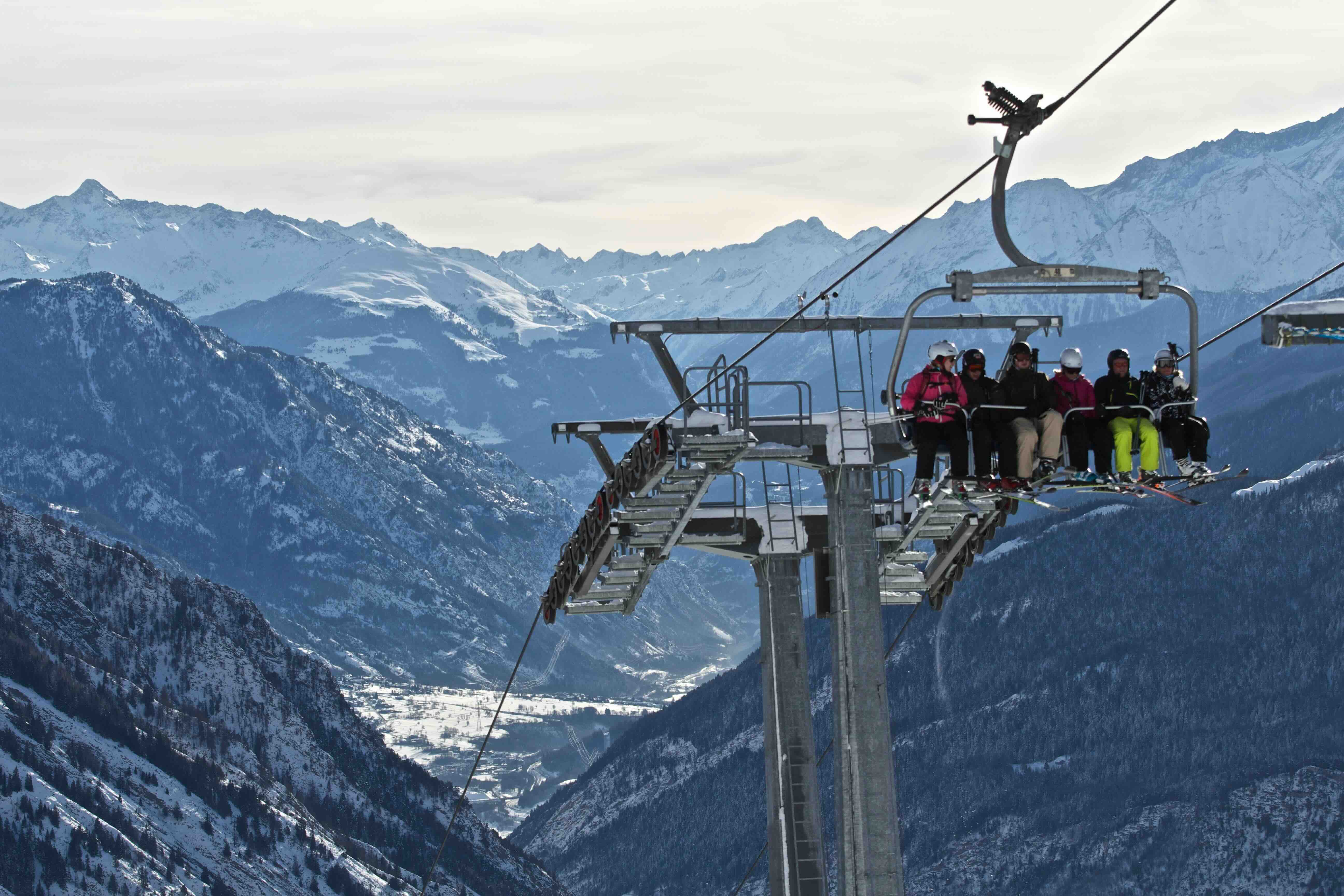
Boarders and skiers put their passion for powder to practice on slopes across North America from mid-November through March (later if snowfall permits). Skiing is an ideal activity for groups, fostering camaraderie and a healthy dose of competition among friends and family. It allows adventure-seekers to vacation together, skiing off on separate runs if desired and meeting up at the lift lines to swap slope stories. At the day’s end, everyone regroups for some après ski activities. Here’s a guide with tips and resources to help you plan your group ski trip with ease.
Planning Ski Trips
- Find a mountain and ski resort for your group
- Invite friends, family, or team/club members (ski team, church group, school mates, professional colleagues)
- Discuss trip details with travel companions
- Create an event schedule of dinner reservations and other key itinerary details
- Shop for flights, hotels, rental cars, activities and attractions and share booking details
Ski Trip Checklist
When planning a group ski trip, there are plenty of factors to keep in mind. Does anyone in the group require child care for their kids? Is anyone interested in taking group ski lessons and how varied are the ski skill levels? Is everyone buying group lift tickets before arriving or while there? Here's a quick list of things to consider before you go:
- Lift tickets
- Ski rentals
- Group discounts
- Group ski lessons
- Ski lessons for kids
- Daycare for kids
- Restaurant reservations
- Bulk food and beverage assignments made (who's bringing what?)
- Hotel or rental home reservations
- Pet-friendly hotel rooms, condos, or houses
- Extra gear for those who may have forgotten gloves, goggles, hats
Top Ski Resorts in North America
Take your pick of ski areas and regions (Colorado, California, Pacific Northwest...) for the upcoming ski season and start planning your ski trip. There are simply too many ski areas to list, but here's our list of the top snowsport destinations for groups.
Ground Transportation Options
Find out what options are available at the airport and ski resort your group is heading to. If you're on a budget, shuttle services offer group rates. One of the greatest benefits of a group trip is being able to split costs such as transportation to and from venues.
- Shuttle service – There are usually private services that transfer you from airports to your hotel or ski resort area. Some ski resorts themselves even offer airport transportation to and from their resort. Call ahead so you find the best deal for your group.
- Private limo
- Taxi
- Bus
- Rent cars, SUVs, vans
- Friend as chauffer – best option if available
Ski-In, Ski-Out Accommodations
Convenient for those who plan to spend most of their trip skiing, you can save gas and glide right outside your hotel door. Hotels, condos, and resorts can all fall into this category. Examples include Snake River Lodge & Spa in Jackson Hole, Sunshine Inn (Banff's only ski-in/ski-out hotel), and The Loft at the Mountain Village 3-bedroom condo in Park City.
Vacation Rental Homes
One of the best ways to enjoy a group ski trip is by renting an entire house. I've done this several times and it's usually been the best option.
Shopping
Most ski resorts cater to skiers and the fact that you're a relatively captive audience, having traveled through snow-covered roads to the mountain. So there's plenty of shopping variety from outdoor gear to apparel boutiques to candy shops to cafés.
Sightseeing
Whether driving or flying in for a weekend getaway or vacation with friends or family, ski destinations often have more to offer than just mountain with slopes. There may be historical or art museums/galleries, or nearby attractions such as lakes to explore. Find out what interests your group most and offer suggestions before the trip.
Nightlife, Restaurants & Bars
You can always find a variety of restaurants, many of them high-end, to recharge after a day on the slopes. And all major ski resorts (Whistler, Vail, etc.) have nightlife equally as invigorating as the day life (if you're in a party mood). But there are also quaint, charming pubs and restaurants as well as the cheap eateries. If your group is set on a certain type of food or restaurant, book reservations as early as possible to ensure a seat.
Wintry Activities
Most ski resorts offer snowbirds other ways to play in the snow either before or after they ski (or when taking a day off of the slopes):
- Ziplines through treetops
- Heli-skiing
- Snowmobiling
- Dog sledding
- Snowshoeing
- Cross-country skiing (most major ski areas have trails for this, including Lake Tahoe, Telluride, Stowe, The Canyons, Sun Valley, and smaller resorts around the continent)
- Massages at spas
Best of the Web (Ski Related Links)
- SkiTDS has travel specialists available to help you plan the perfect group trip along with special rate agreements with ski lodging vendors, equipment rental shops, and ski lift providers.
- OnTheSnow has aggregated snow reports and snow totals from ski resorts across North America.
- Warren Miller movies are simply the best and most fun way to get ready to go deep into the stuff of which snowy dreams are made.
- Lake Tahoe guide with links to Tahoe-area ski resorts and après ski activities.
- Shipping your ski gear to your destination ahead of time is a great way to simplify ski travel.
Jackson B. wrote us to say, "The ski vacation ideas outlined in the article are simply fabulous. It's going to be a great season!" Thanks Jackson, we agree!
Permalink 🔗
Beloved by beach buffs, honeymooners, surfers, and cruisers, the Mexican Riviera — that scenic stretch of coastal communities between Mazatlán and Acapulco — entices more and more travelers to its sun-drenched shores each year.
It's the West Coast's Caribbean — a hot, bright cure for the winter blues and blahs, where visitors can reliably expect temperatures in the 80s all year long. Mexico's Pacific Coast is also starting to rival Hawaii as a fashionable wedding destination, and couples wanting beachside betrothals can choose from a low-key village celebration in Zihuatanejo to a swank hotel gala in Puerto Vallarta.
This prime swath of real estate bordering the jungle-clad Sierra Madre range began booming in the 1970s, when the country's government began a push for tourism along the Pacific coastline. Acapulco started even earlier, attracting affluent jet-setters to its spanking-new hotels in the 1950s; however, Puerto Vallarta lays claim to catching the eye of the average tourist, who arrived in droves to the site where Elizabeth Taylor and Richard Burton made a film and a tempestuous home in the city's cobblestoned hills in 1963. In contrast, Mazatlán's popularity grew gradually as travelers discovered the beach appeal of this working seaport. Most representative of the tourism push are the sister towns of Zihuatanejo and Ixtapa. Only four miles apart, they couldn't be more different. Zihua maintains its fishing-village charm by government mandate: building codes are strict and therefore development is minimal. Ixtapa, on the other hand, was born fully fledged as a resort, and vacationers are beginning to flock to its high-rise hotels, trendy restaurants and bars, and the latest in water-sport thrills.
Today the Mexican Riviera sees thousands of cruisers arrive daily to its ports. But for groups vacationing sans big ship, the best way to visit is to fly in and rent a car or hire one of the plentiful taxis, many of which double as tour guides. Activities and excursions continue to burgeon as local entrepreneurs find new and novel ways to show off their region's charms. And then there's all that sand, sun, and sea.
Top Attractions
Puerto Vallarta: The place to be in PV is on the malecón, a palm-lined beachside promenade punctuated by whimsical sculptures by various Mexican artists. From the walkway's southern end, cross over to the zócalo (town square); in sight is Our Lady of Guadalupe cathedral, whose gilded crown replicates that of Mexico's 19th-century Empress Carlotta. By leg power or taxi, climb the steep, narrow cobblestoned streets of the city for a glimpse of Casa Kimberley, once Liz Taylor's hideaway, and vistas of red-tiled roofs overlooking the bay. For kids, there's Splash Water Park for all things aquatic, from water rides to sea lion shows to dolphin swims. A short drive south leads to Playa Mismaloya, filming location for Night of the Iguana and now a popular site for weddings.
Mazatlán: Travelers into history should make Mexico's largest port their base camp, where they'll find nearly 500 architecturally significant buildings to admire, and most within the city center. Among them: the 19th-century Cathedral of the Immaculate Conception, with its twin yellow spires and baroque interior; the 1874 Teatro Ángela Peralta, a lavish Italianate theater still in use today; and the restored townhouses surrounding Plazuela Machado. Hire a taxi or stretch the legs on a walk out to Cerro del Vigía for far-reaching vistas and a view of El Faro Lighthouse, whose altitude is second only to Gibraltar. Mazatlán Aquarium treats the curious to a peek into Mexico's underwater world, with a sea lion show and tanks of sharks, eels, and other ocean denizens.
Ixtapa/Zihuatanejo: Laid-back Zihuatanejo offers few attractions, and that's the way residents and repeat visitors like it. Ideal for an intimate wedding group, Zihua offers sun, sand, and serenity on gentle beaches wrapped around a protected bay. Stroll Paseo del Pescador, a colorful bayside promenade with open-air restaurants and vendors; head away from the waterfront and experience a friendly town sans glitz and hype. A walk down Las Gatas Beach leads to El Faro Lighthouse and panoramic views. In contrast, Ixtapa is where the action is — mostly on the wide beaches and in the hopping nightclubs. Families can swim with dolphins at the Delfiniti Dolphinarium and enjoy the wave pools and water slides at Magic World aquatic park.
Outdoor Adventure
Puerto Vallarta: Forty miles of white-sand beaches serve as languid launching points for parasailing, banana boating, water skiing, jet skiing, and surfing. To the south is Los Arcos National Underwater Park, a prime spot for kayaking, snorkeling, and diving amid granite rock formations. The jungle's proximity to the city means that visitors can make like Tarzan by launching from a rope into a deep pool and zipping along cables set high above in the treetops at Canopy El Eden, setting for the film Predator. Great for groups are golf and mountain biking and hiking tours; in winter, whale-watching excursions sail in search of migrating humpbacks. Year-round, party cruises abound; more demure groups may opt for a sunset dinner cruise.
Mazatlán: Along with 10 miles of beaches offering the usual sand-and-surf sports, Mazatlán's waters are known for sportfishing and nature cruises — two activities perfect for groups. Glide through mangrove estuaries to spot herons, bitterns, and the elusive roseate spoonbill, or try a hand at reeling in marlin or sailfish (catch-and-release is the general rule). Take a kayak or a boat ride to snorkel the calm waters surrounding Isla de Venados, or join a horseback tour on Isla de la Piedras. Body surfing is big at Playa Olas Altas; Playa Bruja, north of the city, has the waves to host an annual surfing tournament. Hardy souls can take guided hiking trips into the nearby Sierra Madre mountains.
Ixtapa/Zihuatanejo: Zihuatanejo's most popular beaches, playas Principal, La Ropa, and Las Gatas, offer palapas with hammocks for lazing and gentle waters for swimming and snorkeling, the latter best at Las Gatas. Anglers can hook up with a local guide to go panga fishing for roosterfish or head into deeper waters for marlin, sailfish, and bonita. On Ixtapa's two-mile-long Playa el Palmar, windsurfers, paragliders, jet skiers, and water skiers ply the waters. Golf enthusiasts can make tee times at Palma Real or Marina Ixtapa golf clubs, both of which offer group discounts. Canyons and reefs at dozens of local dive sites beckon to scuba divers, while Ixtapa Island's fragile coral reef lures snorkelers. Smaller beaches offer their own charms, including horseback riding through coconut plantations at Playa Linda.
Arts and Culture
Puerto Vallarta: More than 30 galleries and civic buildings around the city showcase local and international works of art, many of which can be found on a stroll through El Centro, the heart of PV. History buffs will want to visit the Museo Arqueológico and Museo Río Cuale for their collections of pre-Columbian artifacts. Plays, dance, and open-air movies take place regularly at the Cuale Cultural Center, as do theatrical productions at the Santa Barbara Playhouse on Olas Altas. At the malecón's Los Arcos Amphitheater, mariachi and ranchero grupos perform regularly; come evening, it's a popular place for socializing and listening to local musicians.
Mazatlán: Arts lovers will want to time their visit to take in a performance at the ornate and historic Teatro Ángela Peralta; events include ballet, opera, concerts, and movies. Fiestas full of folkloric entertainment take place weekly at the Hotel Playa Mazatlán and El Cid Castilla Beach Hotel's La Pergola Theater. Shoppers seeking authentic wares should avoid the touristy jewelry and souvenir stores — far better are the covered Mercado Municipal and open-air shops of Old Mazatlán, particularly on Saturday nights, when Plazuela Machado becomes the weekly Artisans' Bazaar. The Museo de Arqueológia and Museo de Arta exhibit local artifacts and artworks, respectively; the latter can be purchased at the nearby Galería Nidart.
Ixtapa/Zihuatanejo: Neither fishing village nor resort community have yet to develop an arts scene; still, there are a few places not to miss. In Zihuatanejo, the Museo Arqueológico de la Costa Grande exhibits pottery and stone artifacts, maps, and murals dating from or illustrating the earliest peoples along this part of the Pacific. Behind Zihua's Paseo del Pescador lies the Mercado Turístico de Artesanías, an open market with more than a hundred vendors selling genuine crafts and goods. Bargaining is welcome. (A smaller artisans' market is on the main boulevard in Ixtapa.) Many of the hotels in Ixtapa host folkloric fiestas and dance performances.
Day Trips
- Sayulita: Barely developed surfing beach less than an hour north of PV, with kayak and board rentals and beachside restaurants.
- Yelapa: Rustic, laid-back beach community in a lush cove with waterfalls, accessible by boat, water taxi, or mountain bike tour from PV.
- Copala and Concordia: Historic colonial towns anchored by cathedrals, one built in 1740, the other a century earlier; about an hour from Mazatlán.
- Teocapán: Fishing port rife with wildlife on the verge of ecological preserve designation, 75 miles from Mazatlán.
- Laguna de Potosi: Ecological preserve 15 miles south of Zihua, a birdwatcher's and kayaker's paradise.
Mexican Riviera Events Guide and Calendar
Puerto Vallarta
- Banderas Bay International Regatta Sails fill the horizon off Banderas Bay during the day; at night, parties and performances abound, March.
- Festival Cultural de Mayo Concerts showcasing pop, symphony, mariachi, and other styles of music, plus art, ballet, and theater, often around mid-May. Read more about Cinco de Mayo history.
- Old Town Art Walk Meet local artists and view their work, alternate Wednesdays from late October to mid-April.
- International Puerto Vallarta Sailfish and Marlin Tournament Anglers compete for big-ticket prizes as they cast for marlin and other game fish, mid-November.
- Puerto Vallarta Cup Golf Tournament Amateur golfers from around North America vie at Vista Vallarta Golf Course and El Tigre Golf Club, mid-November.
- Puerto Vallarta Film Festival Contemporary films, documentaries, and luminaries from the Americas, mid-November.
- International Festival Gourmet Vallarta Taste specialties whipped up by international master chefs during a week in late November.
Mazatlán
- Carnaval One of the world's largest pre-Lenten celebrations, with parades, fireworks, and dancing in the streets, late February or early March.
- Festival Cultural de MazatlánPerforming arts, exhibitions, literary readings, film, and more at venues in Old Mazatlán, mid-October through mid-December.
- International Amateur Golf Tournament Amateurs compete for prizes during this golf tourney at the El Cid Golf & Country Club for a week in November.
- Mazatlán Billfish Classic World Billfish Series Pacific division championship. Big fish, big prizes, for a week in November.
Ixtapa/Zihuatanejo
- Zihuatanejo Sail Fest Regatta held for charity during a week of events such as beach games and a chili cookoff, in early February.
- Zihuatanejo International Guitar Festival Musicians performing classical, jazz, traditional, blues, folk, flamenco, and rock during a week of guitar virtuosity, in March.
- San Jeronimito River Regatta Music, food, and racing pangas, kayaks, and rafts on this river near the town of Petatlán just south of Ixtapa/Zihuatanejo, in October.
- Ixtapa Zihuatanejo Total Tag & Release Tournament Fly-fishers and conventional anglers reel for prizes at inshore and open ocean locations, in early November.
Permalink 🔗
In the crook of California's elbow lies a playland of great natural beauty, world-class ski slopes, Vegas-style entertainment, and plenty of gold-rush history. Straddling the northern Sierras where California and Nevada meet is the region's crown jewel: Lake Tahoe, the nation's highest alpine lake of its size and its second deepest (after Oregon's Crater Lake). With a shoreline measuring 72 miles long, this brilliant cobalt lake draws sun-worshippers to its many beaches during summer; come November, ski aficionados gather into groups and flock to the slopes of more than a dozen ski resorts in the area. And it's not just deep powder and groomed runs that make this region a wintertime paradise: wide-open valleys are crossed with trails for cross-country skiing, snowshoeing, snowmobiling, dog-sledding, sleigh rides, and backcountry telemark skiing. After the spring snow melt, all this open wilderness turns into prime hiking, mountain-biking, and horseback-riding terrain.
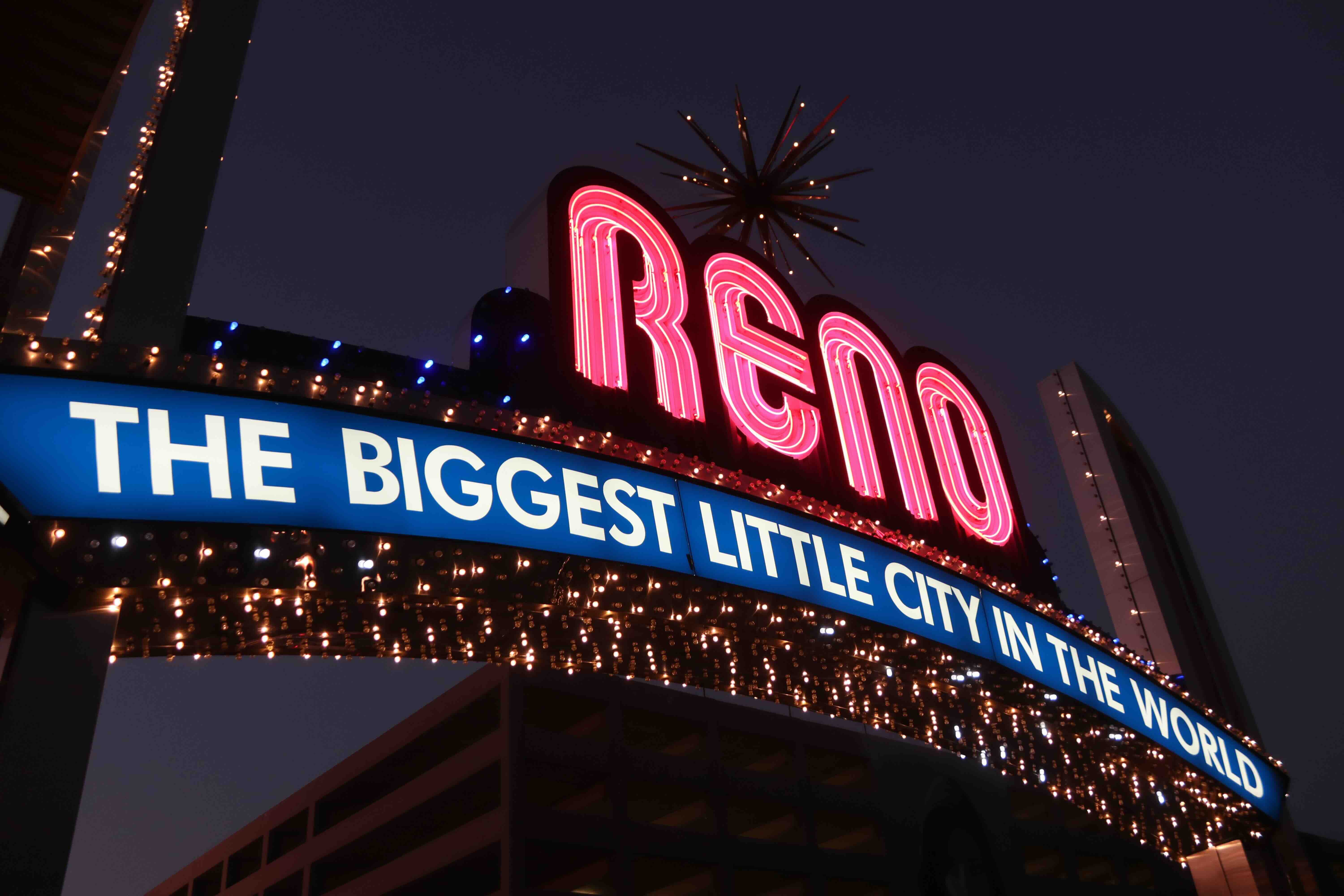
On the eastern side of the Sierras lies an entertainment capital of a different color: neon-bright Reno. Las Vegas' laid-back cousin, Reno offers casino gaming and revues in a high-desert community that has thrived since long before the first roulette wheel was rolled into town. Once known as the nation's divorce capital, Reno and its environs now are a hot destination for weddings, whether in a 24-hour chapel or on the shores of nearby Tahoe. Both industry and an arts scene are burgeoning, and visitors are increasingly discovering Reno as a year-round destination for nocturnal exploits and daytime adventure. Connected by both interstate and scenic byway, Reno and Lake Tahoe beckon to groups seeking the best of both worlds.
Top Attractions
Nature gets top billing in this scenic segment of the Sierra Nevadas, yet not every attraction warrants strapping on ski or hiking boots. Make time on the itinerary for a trip to Carson City, Nevada's capital, for a trek down the landmark-lined Kit Carson Trail, or head to Virginia City, a one-time boom town that's home to Chollar Mine, the only remaining Comstock Lode silver-mining operation open for touring. Closer in, casinos share Reno's streets with numerous national historic landmarks, many of which can be viewed on a Historic Reno Preservation Society walking tour. High above the city, Lake Tahoe's shores are graced with architectural gems such as Tallac Historic Site, a set of opulent summer houses from the gold-rush era; the 1936 meld-into-the-landscape Thunderbird Lodge, now a popular place for weddings; and the 1929 Vikingsholm, a Scandinavian castle at the head of Emerald Bay. In nearby Truckee, the Donner Party saga is told at Donner Memorial State Park's Emigrant Trail Museum.
More contemporary attractions appeal to fun-lovers of any age, including Reno's Wilbur D. May Museum and Arboretum, a parkland complex with exhibitions, nature walks, and the Great Basin Adventure amusement park; and Fleischmann Planetarium and Science Center, with star shows and weekly telescope viewing. More than 200 cars from vintage to experimental comprise the National Automobile Museum, while nearly that many animals — including a rare liger — reside at Sierra Safari Zoo. In Tahoe, admire Emerald Bay's aquamarine waters from the deck of the MS Dixie II, a restored paddlewheeler departing from Zephyr Cove. In winter, the Tahoe Queen paddlewheeler doubles as a water-borne ski shuttle by taking skiers to and from the North Shore.
Outdoor Adventure
With the snow pack averaging 40 feet a year, schussing down area slopes is an obvious main draw. No less than 15 resorts give skiers and snowboarders their choice of chutes and half-pipes, and a dozen or so snow parks offer groomed cross-country trails or tubing runs (many with rentals and rope tows). Resorts such as Squaw Valley and Heavenly challenge hard-core skiers with natural jumps and double-diamond runs, while Northstar-at-Tahoe and Tahoe Donner have plenty of beginner terrain to suit the family or easygoing gathering of friends.
Non-skiers in the group needn't worry about finding outdoor action. Trails that lure hikers in summer become tracks for snowshoers come winter. Many of the resorts offer frosty fun: dog-sledding at Kirkwood, ice-skating at Squaw's Olympic Ice Pavilion, and sleigh rides at both. At Spooner Lake Cross Country Ski Area, small groups can rent a wilderness cabin for a cozy night in-and out-of the elements.
In summer and fall, hikers head to the mountains for trails that lead to alpine meadows and panoramic views. Many start from the region's numerous state parks, from the lengthy Lost Lake Trail at Sugar Pine Point to the easy Balancing Rock Nature Trail at D.L. Bliss. For pure mountain's majesty, hike a piece of the 165-mile Tahoe Rim Trail from one of 12 trailheads; mountain bikers tackle the Flume Trail for sweeping vistas from an 8,000-foot-high single track. Tahoe's beaches draw water-sports fans for kayaking, water-skiing, wakeboarding, and more; Reno's Truckee River Whitewater Park at Wingfield keeps kayakers close to the casinos. Outdoorsy groups can also fly-fish or raft the Truckee River, ride horseback through the backcountry, golf one of 40 regional courses, or go aloft in a hot-air balloon.
Arts and Culture
Throw a coin into the heart of Reno and you'll hit a casino offering gaming and top-notch entertainment. Among the hottest venues are the ever-popular El Dorado, with big-name performers in the showroom, rock and blues bands in the Brew Brothers pub, and sexy dance environs at BuBinga Lounge. Others on the hit list: The Garage at the Reno Hilton, featuring dual bars and a cigar lounge, and the Peppermill Fireside, its plasma screens, free appetizers, and firepit a hipster's draw. In Tahoe, Harrah's Altitude Nightclub hums with showgirls, wild lighting, and an oxygen bar; the Improv at Harvey's Lake Tahoe dishes up yuks from up-and-comers and stage vets, and Breeze at the Tahoe Biltmore brings an eclectic lineup to its stage.
For more sedate diversions, start by strolling the Riverwalk in Reno's Truckee River Arts District, an area of galleries, theaters, open-air concert venues, the 1910 McKinley Arts and Culture Center, and a third Saturday Wine Walk. Artworks that interpret the land and changing environment make the Nevada Museum of Art a must-see. The University of Nevada, Reno campus hosts concerts by the Reno Chamber Orchestra and the UNR Performing Arts Series; the Pioneer Center for the Performing Arts is home to the Reno Philharmonic (who also play a Summer Pops Series at outdoor venues), the Nevada Opera, the Broadway Comes to Reno series, and the surreal Magic Underground illusion show.
Arts are a mostly seasonal event in Tahoe. Summer sees the start of the Lake Tahoe Shakespeare Festival at Sand Harbor State Park's lakeside amphitheatre, the Valhalla Arts and Music Festival at Tallac Historic Site, and the Lake Tahoe Music Festival, with most concerts held at Squaw Valley. Year-round cultural fare comes courtesy of the North Lake Tahoe Historical Society, whose three-museum complex traces the history of the Tahoe area and the indigenous Washoe people.
Slopes for Skiers
Après Ski/Summer Sights
Day Trips
- Genoa Nevada's oldest settlement, with original buildings, a museum, and a still-operating whiskey saloon.
- Pyramid Lake Desert Oasis with museum and visitor center 30 minutes from Reno and 180 degrees from Lake Tahoe.
- Grover Hot Springs State Park Campground with mineral pools fed by nearby hot springs.
Lake Tahoe and Reno Events Guide and Calendar
- North Lake Tahoe Snow Festival Ten-day winter carnival with fireworks, a polar bear swim, kids' parade, sled-dog pulls, and more in March.
- Valhalla Music and Arts Festival Concerts, theater, and comedy at Tallac Historic Site, June through August.
- Reno Rodeo Team roping and rodeo queens are among the attractions during a week in June.
- Lake Tahoe Music Festival An orchestra drawn from local music organizations backs big-name guests, late June through mid-August.
- Artown More than 300 events showcasing visual, performing, and humanities arts, throughout July.
- Lake Tahoe Shakespeare Festival Two of the Bard's best on the shores of Sand Harbor State Park, July and August.
- Hot August Nights Up to 5,000 classic cars from the 1950s and '60s, concerts, a prom night, and a nostalgia fair, early August.
- Nevada State Fair The classic state fair offerings: rides, carnival games, livestock, entertainment, and food, late August.
- Best in the West Nugget Rib Cook-Off Thirty bands, six stages, and 25 contenders cooking up ribs on Labor Day weekend.
- Great Reno Balloon Race Pre-dawn launching of more than 100 hot-air balloons makes a great photo op on the second weekend in September.
- Virginia City Camel Races Yes, Virginia, there are people riding camels for prizes during this second weekend in September.
- National Championship Air Races and Air ShowSix classes of aircraft compete, along with aerobatic shows and military and civil flight demos in mid-September.
- Street Vibrations Free outdoor concerts, gaming tournaments, a tattoo expo, and motorcycle parades, third week of September.
- Lake Tahoe Autumn Food and Wine Festival Tasting events, demos and seminars, and a grape stomp, last weekend in September.
- Reno Film Festival Indie shorts competition and screenings of Oscar-nominated short films, early November.
Permalink 🔗
So many museums, memorials, houses of government, national landmarks, and historic places of interest fill the 67-square-mile area that comprises the nation's capital, a visitor soaking it all in should receive an honorary college degree.
This is not dry educational overload, however. Many of the sights can be toured with knowledgeable and entertaining guides — and many offer reserved tours and special events for groups — and intriguing opportunities for witnessing the city in action can be had, such as watching the Senate in session or money being printed at the Bureau of Engraving and Printing.
At night, the suits come off and the atmosphere turns from all-business to a lively urban scene. The performing arts season lasts all year, from the National Symphony performances at the Kennedy Center for the Performing Arts to jazz combos at various hip nightclubs to theater, opera, ballet, comedy, rock concerts, and children's shows at venues all around the city. A number of the metro area's museums and historic sites offer their own events: cultural film series, early-music concerts, Shakespearean theater, author readings, and lectures that discuss the latest findings in their field. There's plenty of dance clubs to satisfy the party-people in the group, and the city has become a gourmet's destination for fine fare from celebrated chefs.
Yet amid all of this culture and Capitol conduct lies a surprising amount of open green space, where visitors can clear their history-saturated heads with an afternoon of bicycling along a historic towpath, riding horseback along paths once trodden by Civil War soldiers, or simply getting the group together for an easy hike in summer or heading to an ice-skating rink in the cold months. Not bad for a city that 200 years ago was nearly abandoned for being a mosquito-infested swamp.
Top Attractions
What's not a top attraction in the nation's capital? Yet with so many places of interest in close proximity to each other, it's easy to fill the must-see list with check marks. Start at the tree-lined National Mall, a two-mile-long grassy expanse flanked by the U.S. Capitol on one end and the Lincoln Memorial on the other. Guided group tours (reserve in advance) of the Capitol visit several floors and allow a peek into the galleries if the Senate or House is in session. Public tours are also offered at the Library of Congress and the Supreme Court (when not in session). Get some fresh air by strolling the U.S. Botanic Garden; groups can reserve a 45-minute guided tour of the 4,000-plant Conservatory.
The Mall's monuments, memorials, and museums guarantee hours — really, days — of enlightening exploration. A gauntlet of Smithsonian museums lead to West Potomac Park, crowned by the Washington Monument and its photogenic reflecting pool and also site of the Lincoln, Jefferson, and FDR memorials, and those honoring veterans of World War II, the Korea War, and the Vietnam War. Surrounding all that marble are the Constitution Gardens and the Tidal Basin's necklace of cherry trees, whose spring blossoms merit their own festival. North of the Washington Monument lies the White House, which groups of 10 or more can tour if they put in an advance request with their member of Congress.
Visiting this nucleus of historic sites and beyond can easily take up an entire vacation. One way to squeeze it all in is an Old Town Trolley Tour, accessed at any of the trolley's stops, including those on the Mall as well as the National Zoo, the National Cathedral, and the two-centuries-old houses of Georgetown. The Tourmobile follows a similar hop-on, hop-off route that also includes Arlington Cemetery, where visitors pay homage to the Tomb of the Unknowns, the Kennedy gravesites, and the Space Shuttle Challenger Memorial. There's no need to rent a car for self-guided explorations — public transport is comprehensive and easy to navigate, even off the tourist routes to places such as the 18th-century Octagon House and the Woodrow Wilson House and presidential museum (both offering group tours).
Outdoor Adventure
With more than 300 parks in this cultural hub, urban green space is easy to find. National Mall visitors can take a breather in East Potomac Park, where diversions include golf courses, a public pool, and biking paths along the river. Anacostia Park in northeast D.C. has a golf course and driving range, an aquatic center, tennis courts, and the Kenilworth Aquatic Gardens. Visitors craving wild nature should head out to Rock Creek Park, a 12-mile vale that deserves a day's exploration in itself, or at least a few hours to relax in the ample play and picnic areas, golf, hike or ride horseback on wooded trails, or bike or skate paved pathways. Combine exercise with edification with stops at the 1765 Old Stone House and the remains of the 1861 Fort DeRussy, both within park boundaries.
Perhaps D.C.'s best example of historic value meeting outdoor fun is the Chesapeake Ohio Canal National Historical Park, which follows the 185-mile-long canal — from 1824 to 1928, the main route for transporting coal to the city — from D.C. into Maryland. The towpath is a popular ride for bicyclists; hiking trails lead into deciduous forests where woodland creatures may be spotted. The gentle canal waters offer a view of the park from a kayak, canoe, or mule-drawn canal boat tour (summer only). In winter, birdwatchers are often rewarded with sightings of pileated woodpeckers, yellow-bellied sapsuckers, and hooded mergansers.
Sports fans in the group can cheer on the Washington Nationals baseball team at RFK Stadium; in fall, the Washington Redskins provide spectator thrills at FedEx Field. Come winter and early spring, park hiking and biking trails become cross-country ski and snowshoe trails, and outdoor ice-skating venues can be found throughout the city.
Arts and Culture
Few cities offer so much by way of the arts: The Smithsonian museums alone warrant many hours of perusal amid African textiles (National Museum of African Art), Southwestern pottery and basketry (National Museum of the American Indian), dinosaur skeletons (National Museum of Natural History), moon and Mars roving vehicles (National Air and Space Museum), Christo and Muñoz installations (Hirschhorn Museum and Sculpture Garden), and much more. All Smithsonian museums are free and most offer highlights tours. (Note that some museums may be closed for renovations; check the Smithsonian website for updates.)
Outside the Smithsonian's aegis lie many other collections sure to intrigue, with the International Spy Museum a top priority for kids and fans of James Bond movies. At the U.S. Holocaust Memorial Museum, exhibitions provoke meaningful conversations (reserved group visits receive a personal orientation). Architecture buffs won't want to miss the National Building Museum's vast collection of plans, drawings, and photographs; an array of artworks spanning six centuries awaits art lovers at the National Museum of Women in the Arts. Many museums offer regular events, such as the lecture and film series at the Mary McLeod Bethune Council House National Historic Site, and the Folger Shakespeare Library, which hosts readings, plays, and early-music concerts.
Visual art gives way to that of the performing variety at some of the nation's most venerated venues. One is even a national park: the Wolf Trap National Park for the Performing Arts, where performances ranging from National Symphony Orchestra Pops concerts to Irish music festivals, sketch comedy to kids' theater take place in the airy Filene Center in summer, then move into the cozy Barns at Wolf Trap come fall. The same eclectic variety can be had at the John F. Kennedy Center for the Performing Arts, whose September Prelude Festival kicks off nearly a year of performing arts (check on discounts and special events for groups of 20 or more). The Carter Barron Amphitheatre in Rock Creek Park and the Frank Gehry-designed Merriweather Post Pavilion are both outdoor concert venues primed for good times in natural settings.
Attractions Great for Groups
Day Trips
- Colonial Williamsburg The world's largest living history museum lies 150 miles from the capital. Served by tour operators and Amtrak, with group packages available.
- Fredericksburg and Spotsylvania National Military Park The serene landscape of these four Civil War sites belie their legacy as among the U.S.'s bloodiest battlefields.
- Harpers Ferry National Historic Park John Brown's armory raid to free the slaves is just one of the historic events that took place at the confluence of the Potomac and the Shenandoah.
- Monticello Thomas Jefferson's grand estate in Charlottesville, Virginia, about 125 miles from D.C. A number of tour operators offer day trips.
- Mount Vernon George Washington's home includes original furnishings, outbuildings, and a working farm; groups can arrange for a colonial-style lunch.
Washington, D.C. Events Guide and Calendar
- St. Patrick's Day Parade Pipe bands, floats, Irish dancers, police and firefighter contingents march down historic Constitution Avenue, Sunday closest to St. Patrick's Day.
- National Cherry Blossom Festival Two weeks of art exhibitions, Japanese cultural performances, and fireworks, culminating in a parade and a Japanese street festival. Late March-early April.
- Smithsonian Kite Festival Handmade kite competition, kite battles, and a "hot tricks showdown" over the National Mall, last Sunday in March or first in April (weather permitting).
- Washington International Film Festival Twelve-day film fest screening more than 100 international features, documentaries, and shorts at cinemas throughout the city, April.
- Capital Pride Events at the nation's fourth-largest gay/lesbian celebration include a parade, street festival, and the Mr. Capital Pride Leather Contest, nine days in early June.
- DC Caribbean Carnival Watch bands of masqueraders parade in outrageously colorful costumes to the music of steel bands, plus food, crafts, and more, late June.
- National Capital Barbecue Battle Pennsylvania Avenue hosts a weekend of beef and pork mania as teams compete for $25,000 and the National Pork BBQ Champion title, late June.
- Smithsonian Folklife Festival Celebration of global living traditions with performers, crafters, food, and hands-on kids' activities on the National Mall, late June to July 4.
- Independence Day Celebration The nationally televised one, with a noon parade, the National Symphony Orchestra, and a 30-minute fireworks display, July 4.
- Legg Mason Tennis Classic A U.S. Open series tournament, with crowds packing the William H.G. Fitzgerald Tennis Center to see top-seeded players on the hard court, early August.
- Kennedy Center Prelude Festival A month-long series of symphony, comedy, and theatrics celebrating the start of the center's performing arts season, September.
- Adams Morgan Day Community festival with artwork, vendors, a kids' fair, dance troupes, and two music stages, second Sunday in September.
- Black Family Reunion Celebration Gospel and R&B concerts and an international marketplace highlight this celebration of the African American family on the National Mall, in mid-September.
- National Book Festival More than 80 authors read from their works at this one-day fest in late September.
- National Christmas Tree Lighting Long-honored lighting of the capital tree, followed by three weeks of nightly concerts at the Ellipse, December.
Photos courtesy of the Washington, D.C. Convention and Tourism Corporation
Permalink 🔗
Families fit into San Diego's cheerful profile like feet into flip-flops. This coastal city's perennial sunshine, sandy beaches, and kid-friendly attractions make it easy for adults to trade workday stress for an endless-summer attitude — even in December.
The agreeable climate engenders a laid-back, welcoming aura that pervades from mountain town to beachside community. And this is truly a year-round destination: Visit in fall and winter to get a healthy dose of vitamin D on beaches offering plenty of elbow room. Come in spring for the spectacular wildflower show in the Anza-Borrego Desert. Early summer sees the city caressed by a cool marine breeze before heating up for events such as the San Diego County Fair, the World Championship Over-The-Line beach softball tournament, and the US Open Sandcastle Competition.
America's Finest City is not just one long strip of beach, however. Mountains border the county's eastern reaches before dropping into a vast desert valley; in between lie scores of diverse neighborhoods that blanket the region's tawny hills. San Diego is a military municipality, a college town, a center of Mexican-American culture; wholesome and yet tolerant of its more counter-cultural facets. And it is a city on the cutting edge of urban renewal, having taken a shambling downtown and reincarnated it as a vibrant destination for entertainment, dining, shopping, and strolling. No visiting groups should miss the Victorian charm of the Gaslamp Quarter, Horton Plaza's colorful complex of shops and cinemas, and the revitalized areas surrounding the city's architecturally distinct convention center and PETCO Park, new home of the San Diego Padres.
Top Attractions
Thanks to San Diego's temperate climate, animal lovers can get their share of critter-viewing and then some: at the San Diego Zoo, where a pair of panda cubs delight amid Tasmanian devils, sun bears, two-headed snakes, and a kingdom of creatures; the San Diego Wild Animal Park, 1,800 acres of African-style savannah with free-ranging lions, zebras, elephants, and other beasts; and SeaWorld, home of Shamu and his orca descendants, dolphins, penguins, and the seasonal Cirque de la Mer.
For a constructive take on theme parks, head to LEGOLAND, the original plastic-brick playland, with 15,000 LEGO models built from more than 30 million pieces. Or combine old-fashioned amusements with hot new rides at Belmont Park, right on Mission Beach. Ride the restored wooden Giant Dipper Roller Coaster, built in 1925, then hone surfing or skateboarding chops on the new FlowRider, a continual sheetwave that provides a steady supply of excitement for all ages.
Get immersed in the city's history, starting at Mission San Diego de Alcala, founded in 1769 and first of the California missions. At Old Town State Historic Park, original adobe buildings showcase furnishings, artifacts, and skills from San Diego's beginnings. The 1863 Star of India anchors the flotilla of historic ships that comprise the Maritime Museum of San Diego. Tour the decks and exhibits and try to catch a sailing aboard the tall ship Californian. Wrap up at Cabrillo National Monument, which commemorates the 1542 landing of explorer Juan Rodríguez Cabrillo and, incidentally, provides commanding views of San Diego Bay. Betrothed couples take note: All of these locations, including two of the historic ships, make for popular and unique wedding settings.
Outdoor Adventure
Naturally, with 300 days of sunshine a year comes a wealth of opportunities for outdoor adventure. The Mission Beach Boardwalk provides an ideal way to people-watch while zipping along on inline blades or bike. Pick up wheels from one of several rental shops, or rent a bodyboard and surf the friendly waves. Mission Bay's mellow inlets and coves make a family sailing on a rented sloop a breeze; groups can charter a boat for private cruising, diving, and sportfishing in the harbor and beyond.
Golfers wanting seaside vistas can tee up at the 18-hole Torrey Pines Golf Course, a junior-golf-friendly set of championship greens and fairways. Hikers, mountain bikers, and equestrians of all ages can tackle trails in the Cuyamaca and Laguna Mountains, where meadows and woods are rapidly recovering from the wildfires of 2003 (find stables and more in the nearby gold-rush town of Julian). Closer in, 40 miles of trails traverse the oak woodlands and open chaparral of Mission Trails Regional Park, including three paths that ascend 1,400-foot Cowles Mountain.
For a break from attraction overload, pack a picnic basket and head to the park. Balboa Park, San Diego's queen of green space, surrounds cultural attractions with 1,200 acres of woods, gardens, and sports fields. Mission Bay Park is an ideal setting for family reunions, with its 27 miles of meandering shoreline, sandy beaches, and grassy swards with picnic tables and firepits. Perched high above Pacific Beach, Kate O. Sessions Park offers views, ocean breezes, and sloping runs of grass perfect for kite flying.
Arts and Culture
Playtime isn't just for the playground. San Diego's renowned theaters offer up year-round theatrical diversions of award-winning caliber. The Old Globe Theatre brings Shakespeare out under the stars during the summer-long Shakespeare Festival, while other seasons see new works and revivals on the boards. Celebrated playwrights often premiere their latest at the La Jolla Playhouse, a 1993 Tony Award winner for America's Outstanding Regional Theatre residing on the UCSD campus.
Performing within the historic confines of the 1929 Copley Symphony Hall, the San Diego Symphony pleases classically minded parents as much as it does fun-loving kids, with its occasional Family Festival (with free pre-concert activities) and annual Summer Pops series, where families can spread a blanket on the lawns of Embarcadero Marina Park South and enjoy programs like classic cartoon tunes and Tchaikovsky's thunderous 1812 Overture.
Nurturing an appreciation of the arts and sciences is easy at Balboa Park, the urban cultural oasis that mingles museums with lush greenery and a nonstop sense of fun. Kids willingly accompany mom and dad to view the collections at the San Diego Museum of Art, knowing they'll also see the cool displays at the Aerospace Museum and Model Railroad Museum, plus virtual-reality exhibits and IMAX movies at the Reuben H. Fleet Science Center. Teens dig the WorldBeat Cultural Center's music-oriented exhibitions and drumming classes. The park also features a miniature railroad ride and a 1910 carousel, not to mention restaurants and dozens of other absorbing sights to see.
Activities Galore For Families
More San Diego Fun
Day Trips
- Orange County theme parks: Two Disney and two Knott's Berry Farm amusement parks lie a two-hour or so drive north.
- Catalina Island: An attractive town and miles of hiking trails on a protected island off Long Beach reached via high-speed boat.
- Temecula wine country: So-Cal's hottest wine-growing city offers hot-air balloon and biplane rides above vine-covered hills.
Events Guide and Calendar
- Buick Invitational Golf Tournament, San Diego's original golf tourney, played in January amid the seascapes at Torrey Pines Golf Course.
- Accenture Match Play Championship, PGA championship golf arrives every February at the two par-72 courses of La Costa Resort and Spa.
- Carlsbad Village Faire, one of the state's largest street fairs, held on the first Sunday in May and November, with art, food, pony rides, and performances.
- Old Town Fiesta Cinco de Mayo, a lively celebration of Mexican-American culture with music, an equestrian show, and a Kids Village, first weekend in May.
- Summer Pops Series with the San Diego Symphony, Memorial Day weekend to Labor Day weekend.
- Shakespeare Festival at the Old Globe, June to October.
- San Diego County Fair, top-name performers and thrill rides at the Del Mar Fairgrounds, mid-June through July 4.
- Del Mar Racing, thoroughbred races where the surf meets the turf, mid-July through Labor Day.
- OMBAC World Championship Over-The-Line Tournament, the city's unique beach softball tourney, on Fiesta Island, weekends in July.
- US Open Sandcastle Competition, one of the country's largest sandcastle events, held at Imperial Beach over three days in July.
- Street Scene, big-name bands performing on various stages across Qualcomm Stadium's parking lot on a July weekend.
- San Diego Pride Two-day gay and lesbian celebration with a parade, music, dance, and beer gardens at Marston Point in Balboa Park, July.
- San Diego Thunderboat Regatta, hydroplane races on Mission Bay, September.
- Traditional Gathering and Pow-Wow, the Sycuan Band of the Kumeyaay Nation welcomes tribes from around the nation and visitors for dance, competition, games, and crafts, second weekend in September.
- Cabrillo Festival, re-enactment of Cabrillo's landing, plus dance, music, and food, first Sunday in October.
- Little Italy Festa, a weekend of food, bocce ball tournaments, and Italian crooners, second week in October.
- Miramar Airshow, three days of aerial performances and aircraft displays, capped by the Blue Angels, mid-October.
- For more listings, see The San Diego Event Guide.
Photos courtesy of the San Diego Convention & Visitors Bureau
Permalink 🔗
Oh, the joy. A bride. A groom. A ceremony filled with romance, happiness, heart-warming vows, and wedding guests blinking back tears or counting the minutes 'til they can drink heartily and dance the night away.
Whether you're planning a destination wedding or a hometown ceremony, here are helpful tips for engaged couples, the wedding party, families, and wedding guests.

Group reservations
Get the inside scoop on how to book group reservations for hotels and flights, including what to look for and what to beware of and common group discount myths.
How to delegate with panache
Delegating is an art. You want as wide a canvas as possible for a wedding. Share responsibilities and only take on what you need to do yourself. These tips for delegating apply to family reunions also, but you'll see the parallels to wedding planning (aren't weddings another form of reunions?).
Why plan a destination wedding?
Benefits of destination weddings can often far outweigh the costs (or misperceived costs). Find out why the popularity of saying "I do" abroad or outside of your hometown is on the rise.
Top destination wedding hotspots
What are the best locations to get married? If your neighborhood church is booked on your chosen date, consider any destination wedding hotspots such as Las Vegas or Hawaii. They cater to weddings and offer idyllic settings for honeymoons.
Licenses and rules for destination weddings
Will your marriage abroad be valid? Learn about licenses and rules for destination weddings so you are as prepared as possible for the big day.
Bachelor and bachelorette party inspirations
He proposed. Finally! Now the planning can begin – for the best man and maid of honor that is. Here are tried-and-true tips for successful (and classy) bachelor parties and bachelorette parties.
More Wedding Planning Tips
p.s., a big thank you to everyone who shared their feedback on this post. A couple of our favs: Kim wrote, "I especially enjoyed reading about how to delegate. This is essential to getting through all of the preparations." And Winnie shared, "I was looking for something like this. Thank you for the tips, so informative."
Permalink 🔗
We all get by with a little help from our friends. Traveling is no exception. Vacations are more enjoyable with buddies from college, girlfriends from home, friends from life (soccer or baseball teams), and any other groups.
Reconnect with old friends, reminisce about the good old days, and make new memories that make you laugh 'til you cry with these getaway tips.
Girls getaways
Ladies, start your engines. The games, the energy, the synergy, and the drinks are about to begin. Take a wild or relaxing vacation with your gal pals on a spa getaway, wine-tasting soiree, birthday celebration, or anything goes. Can't go far? Try a mini girls getaway?
Beach getaways
Hit the beach year-round (and more heavily in the summer) at your favorite beach. Try a nude beach, join your friends at your most memorable beach, or find a new beach while on a weekend away. Here are TripAdvisor's top 10 U.S. beaches.
Road trip planning guide
Zoom, zoom. Friends, families, and other vacationers are hitting the highways and dusty roads for campgrounds, national parks, family reunions, and zero obligations. Along with sunblock, prepare for a stress-free road trip with these tips. 10 gas and money-saving tips should help as well.
Golf trips
Swing and putt your way down the fairways, slugging beer and making bets against your comrades the whole time. Golf is a great way to relax and visit with friends while working on your game. Also, here are quick tips for planning a group golf getaway.
Bachelor and bachelorette parties
Are you the best man with no clue how to honor your pal with a party? If the only thing that comes to mind is a stripper, see these bachelor party tips first. Ladies, looking to make the bride smile and proud to call you her friends? Here are helpful hints for bachelorette party planning.
Spa Getaways
Just say ahhhh. Spa vactions are on the rise and spas are increasingly catering to groups (girls getaways in particular). Before you go, brush up on some basic group etiquette (so the spa invites you back!). Try vinotherapy at a wine spa, chocolate massages, or any other spa treatments for you and the gang.
More Tips for Group Getaways with Friends
Permalink 🔗
Getting the family together for a reunion? Going on a weekend getaway with friends? Planning a wedding? Group reservations can be a bit overwhelming, especially if you are new to the process or on a tight timeline.
Here are tips to help you navigate group bookings with a little more finesse.
What defines a group?
Despite what might seem logical, a group is not commonly defined among the travel industry. Hoteliers, airlines, and cruise lines all have different definitions (10 passengers on the exact same flight vs. 10 rooms double occupancy for hotels).
Air and hotel reservation benefits
Become a bit more of an expert before you plan a group trip with friends, family, or another group. Know when to use hotel or air group reservations.
Group discount myths
Know before you go: group myths are a reality and you may not always get the best deal by booking bulk. Here are some group discount insights.
Speedy group reservation secrets
Want to get a jump on moving the group reservation process along, or making it easier on yourself and your group? Here are a few helpful tips to expedite group reservations.
Update: To help you get started, we collected links to group booking resources for the largest U.S. airlines and largest hotel chains.
Permalink 🔗
With Las Vegas dubbed the Entertainment Capital of the World, it's no wonder that our research at TripHub shows more groups planning trips to Las Vegas than any other destination.
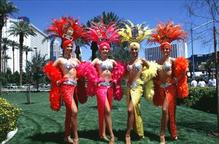
Surprised? Don't be. Las Vegas has long been popular for bachelor parties, bachelorette parties, weekend gambling getaways (and gawking) for guys, easy-bake wedding ceremonies or full-blown weddings, and a launch pad for visiting the Grand Canyon, Hoover Dam and other area attractions. And when conventioneers converge there, attendees often extend their stay and invite family or friends to join them.
Vegas continues to evolve, offering world-class shows (think Cirque du Soleil's Mystere, O, Zumanity, plus a bevy of Broadway, magic, and variety shows that thrill 'til dawn), concerts by renowned music artists, and more high-rolling resort casinos than anywhere else on Earth.
Even the anti-glitz travelers (ahem, like myself) who prefer tamer, more au naturale vacations, often admit that Las Vegas is good for entertaining and best enjoyed with a group of friends when you can double dare them to keep betting on the roulette table or give them a dollar bill to tip the dancer (that would be for the guys). The sweeping view from the top of Mandalay Bay is worth seeing, the Bellagio waterworks display dazzling, a massage at any of the luxury hotel spas relaxing, and other activities can fill your every waking moment. Sleep when you return home.
Planning a trip to Las Vegas with family or friends? Here are ideas to get you started:
Plan a weekend getaway with friends, bachelor(ette) party, family vacation, or wedding using TripHub by setting up a home page for your group, inviting guests, discussing hotels, sharing itinerary information, and more
Photos provided by Las Vegas News Bureau
Permalink 🔗
Gathering the generations together at one time is challenging. So many siblings, grandchildren, grandparents, cousins, aunts, uncles, and in-laws.
But family bonds grow stronger, stories accumulate, shared activities unite all age groups, and celebratory occasions (Uncle Bob's 50th birthday, etc.) entertain, making family reunions worth every ounce of effort.
Simplify the planning process with these family reunion tips and free the planning guru within.

Family Reunion Checklist 101: Budget, Guest List, Dates
Congratulations, you've just volunteered - or been volunteered - to organize your next family reunion. Dozens of relatives are counting on you. Don't stress out. Early essential steps will lead you to success (and peace of mind).
Checklist 102: Location, Accommodations, Activities
Location. Location. Location. And all other critical considerations you simply can't forget. Where will guests stay? What will the main events or activities be? These big ticket items set the pace, timeline, structure (and budget) for any family reunion.
The Art of Delegation
Delegate projects, tasks, "to do" lists with pizzaz and be an expert family reunion project manager by sharing the responsibility. No one is an island.
Make Every Communiqué Count
He said. She said. Who's on first? Communication is vital for a family reunion to succeed and that starts the very first day of planning. Here are tips to avoid over or under-communicating.
More Family Travel Tips:
Permalink 🔗
Friends, families, and other groups of like-minded vacationers will hit the road this summer for campgrounds, national parks, attractions, family reunions, and other adventures. Memorial Day was just the beginning.
In planning a road trip with a group of friends recently, I was reminded of the need for services like TripHub, where you can coordinate, collaborate and centralize any type of group trip information easily. In the spirit of simplifying planning, here are helpful tips to make any road trip stress-free.
1. Designate a point person
This person may or may not be the same person who initiated the trip. Usually, one person in the group enjoys coordinating plans and doing research on where to stay. When there are multiple type A personalities in the group, making one point person clear to all becomes critical to avoid confusion and duplication. However, delegating is wise when planning any trip. You can funnel all major and minor questions to the point person. (Of course, it helps to have someone willing to be point person… so preferably this person will volunteer.) This person can send out the initial invitation for the trip and create the trip home page.
2. Decide who's driving
Determine how many vehicles and when those vehicles are leaving and returning. If Dick and Jane are each taking their cars, you'll need to know how many people can they fit in their cars comfortably (don't forget room for bags, equipment, etc.), and get a commitment from drivers on day and time of departure so the other passengers can plan their schedules accordingly.
3. Decide who brings what
Create a checklist of "must-haves" such as water, cooler, Oreos, first-aid kit, car maintenance kit, pillows, certain CDs or an iPod full of music, and other accoutrements. Camping trips require bringing your accommodations and food along for the ride, so getting a list of what people have to bring/contribute is helpful. Someone can then consolidate the list to determine what's missing. Food, tents, firewood, tarps, folding chairs, age-appropriate games for the group, binoculars, coolers, and lighters/matches all come to mind. For any other road trip, think about car games (including kid games for families), cooler full of ice + water + snacks, maps, travel books on nearby points of interest, etc. All shared costs can be divided among the group (and the organizer can track money owed using TripHub).
4. Split the cost of gas fairly and tactfully
How? Discuss this well in advance of the trip so expectations (and budgets) are clear for all road trippers. The record gas price spikes are challenging for everyone and splitting the cost of gas is perfectly acceptable. If you're traveling with a group of friends, factor gas costs into overall budgets. For instance, big ticket items such as hotel room(s), activity entrance fees, and food are typically split in groups. Drivers especially should speak up to remind people that sharing the cost of gas should also be considered in the overall cost of the road trip. Agree with your group how the cost will be divided and when. Nothing's worse than getting stuck with a bigger bill than necessary due to lack of communication. TripHub makes it easy for the main trip organizer to include gas as a shared cost factor. Three ways to share gas costs:
- Barter and trade. If one person buys food for the group, another buys gas, and yet another gets one night’s hotel room. This can be hard to track when groups get larger (5 or more), but I’ve found it works well in smaller groups, especially if shared costs are tracked and tallied daily or with a close-knit group of friends with built-in trust are on the road trip.
- Determine cost for gas ahead of time per vehicle (calculate miles per gallon by approximate tanks of gas by mileage – mathematicians in your group can create the best calculus algorithms). Geeks in your group will derive much pleasure out of figuring gas costs using this method (and everyone will love them for accurate and reliable results to the penny!).
- Drivers gather all gas receipts during the trip, total up the amount at the end, and collect money or let the group organizer collect money from the group for gas along with other shared expenses. TripHub's money owed tool can help organize who owes money before, during, and after the trip.
5. Make your road trip fuel-efficient
…with 10+ vital gas-saving tips; a little prep will go a long way, especially on longer road trips. Gas prices will affect every road trip, but if you do a little homework and find the cheapest gas station near you (thanks to Gas Buddy), plus share the cost of gas with friends or family on road trips, you're less likely to break your piggybank while winding through stunning scenery on an unforgettable vacation.
6. Decide on the best route (and alternative route)
Plan ahead with research on various routes to your favorite destination(s) in case of emergency road closures or summertime construction. Check U.S. Department of Transportation's traffic and road closure status for any state before you go.
7. Agree on flexibility before leaving
Rain may spoil a camping road trip, so doing a little pre-trip research to find nearby B&B's or hotels may save you headache along the journey. Make sure everyone is in agreement to be flexible. Trip organizers can do a little research before the trip to give recommendations and alternatives to original plans (local festivals, for instance). If your group is set on hiking a certain Rocky Mountain trail along the road trip, the group may discover another trail off-the-beaten path or bag the hiking idea in favor of relaxing with a picnic and majestic Rocky Mountain skyline.
8. Get and give personal spaceCramming yourselves in a car is fun for a weekend getaway or longer trip, but everyone eventually will crave some solo time. I recommend agreeing on one or two stops along the drive where people are free to explore a town or area, iPod in hand.
What are best road trip tips you've experienced? Any lessons learned on simplifying? What types of people make the best road companions?
Permalink 🔗
See all categories or all posts.